Domaine Les Monts Fournois
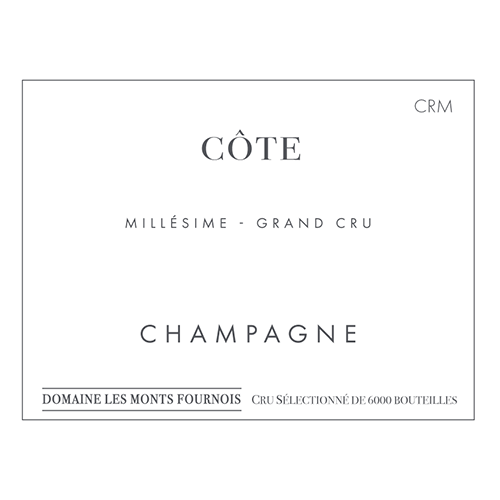
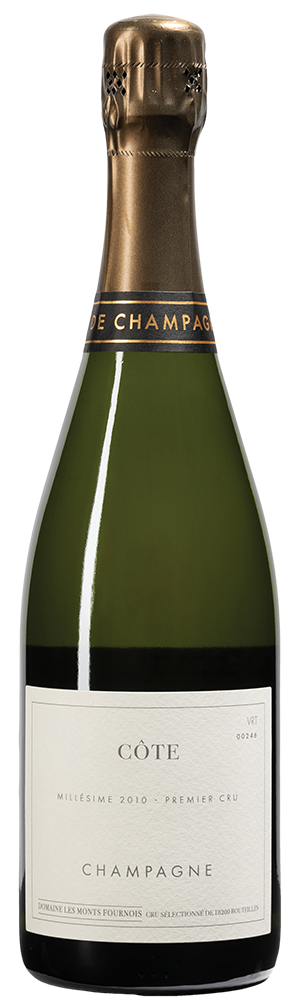
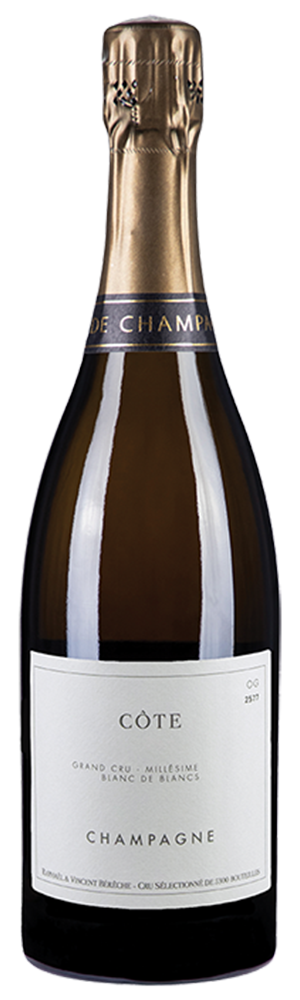
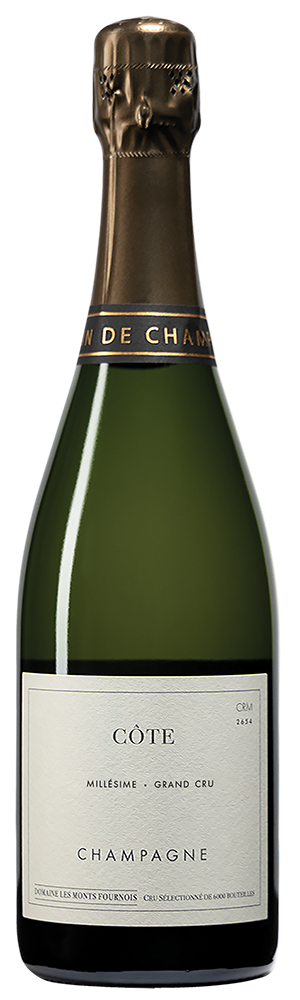
Côte, Cramant Grand Cru
Le Domaine les Monts Fournois is presenting here this cuvée after a rigorous and precise search for the best terroirs of Premier and Grand Crus in Champagne. With these wines they would like to highlight the real expression of a terroir, a varietal and a vintage. These Crus have been sélectionnés by winemaker Juliette Alips and her cousins Raphaël & Vincent Bérêche.
Vintage Factsheets
The Cramant Grand Cru, in the Côte des Blancs south-southeast of Épernay, spans just 351 ha and is planted almost entirely to Chardonnay (99.9%), with only trace Pinot Meunier. Its Champagnes are typically creamier, more concentrated, and strongly mineral-driven than those from nearby Grand Crus with different exposures.
- Region
- Champagne
- Appellation
- Côte des Blancs
- Sub-Appellation
- Champagne AOP
- Varietal Composition
- Chardonnay
- Aging
- 7 years on the lees.
- Alcohol
- 12.5%
The nose is mature and expressive, with buttery brioche, candied fruit, and a touch of pineapple, evolving into notes of morel and roasted coffee. The palate is precise and caressing, defined by chalky salinity and ripe Crémant character. Open and approachable, it offers immediate pleasure with balance and delicacy.
Jeb Dunnuck
96+ Points
2017
"Not available yet, the 2017 Champagne Grand Cru Cramant Millésime Côte is a medium yellow/straw color and carries 4 grams per liter dosage. It’s generous and medium-bodied, with a light nuttiness and notes of ripe fresh peach and candied citrus. Revealing a delicate autumnal feel, the palate fills with a very fine, chalky texture, and there’s a rounded, slightly more seductive edge, with the mouthfeel just smoothing everything out. Poached pear, delicate pretty spice, and a lifted, pretty profile come through, while hints of umami are likely to emerge as it matures. The texture is strict, supported by a refined and elegant, powdery-creamy mousse that carries a long-lasting finish. It’s showing very well today, with a more immediate and approachable character, though it should age well over the next 15-20 years."
— Audrey Frick, 2025